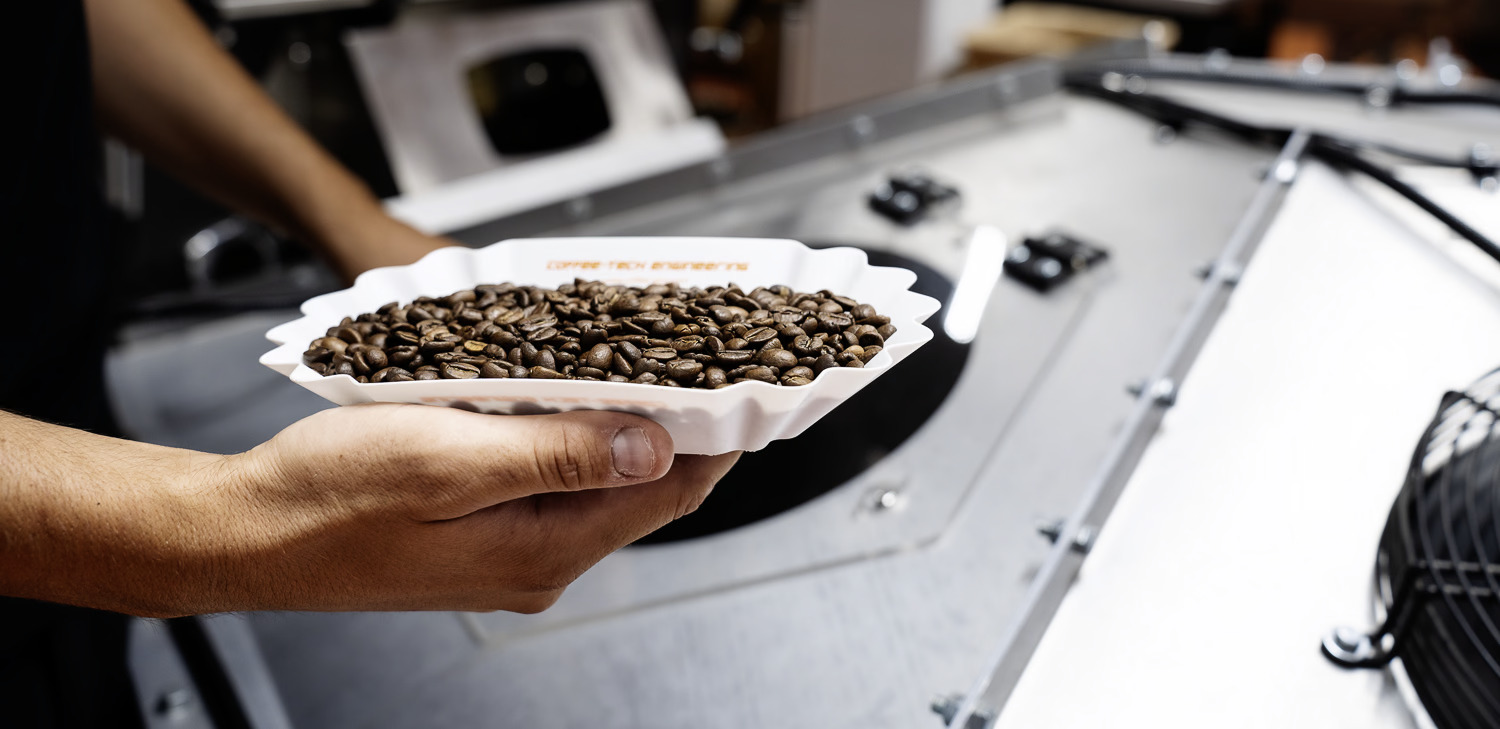
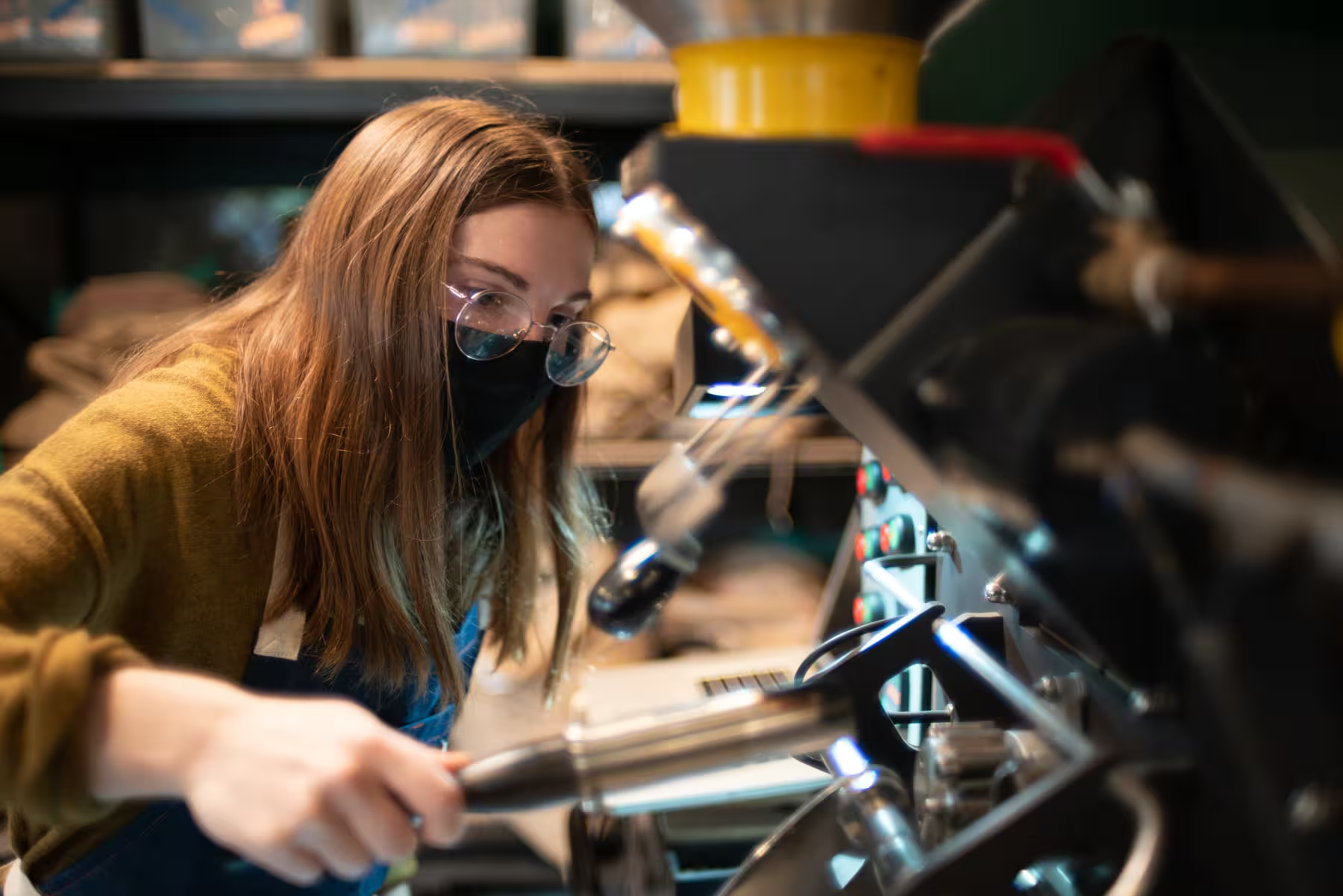
Le café et le cacao font partie des aliments de base de l’alimentation humaine depuis très longtemps. Dès 1500 avant J.-C., la torréfaction du cacao était déjà pratiquée pour le plaisir de tous ceux qui en consommaient. Près de trois mille ans plus tard, au début du XVe siècle, les connaissances et la pratique de la torréfaction des grains de café se sont rapidement répandues à travers l’Afrique, l’Europe et le Moyen-Orient. L'attrait de ces stimulants tient peut-être à notre attirance pour la caféine et à l'euphorie ou à l'énergie qu'elle procure. Pendant près de six siècles, ces deux grains ont joué un rôle majeur dans notre histoire. Devenus un rituel quotidien pour une grande partie de la population mondiale, le café et le cacao ont connu une croissance et une demande ininterrompues depuis leur domestication.
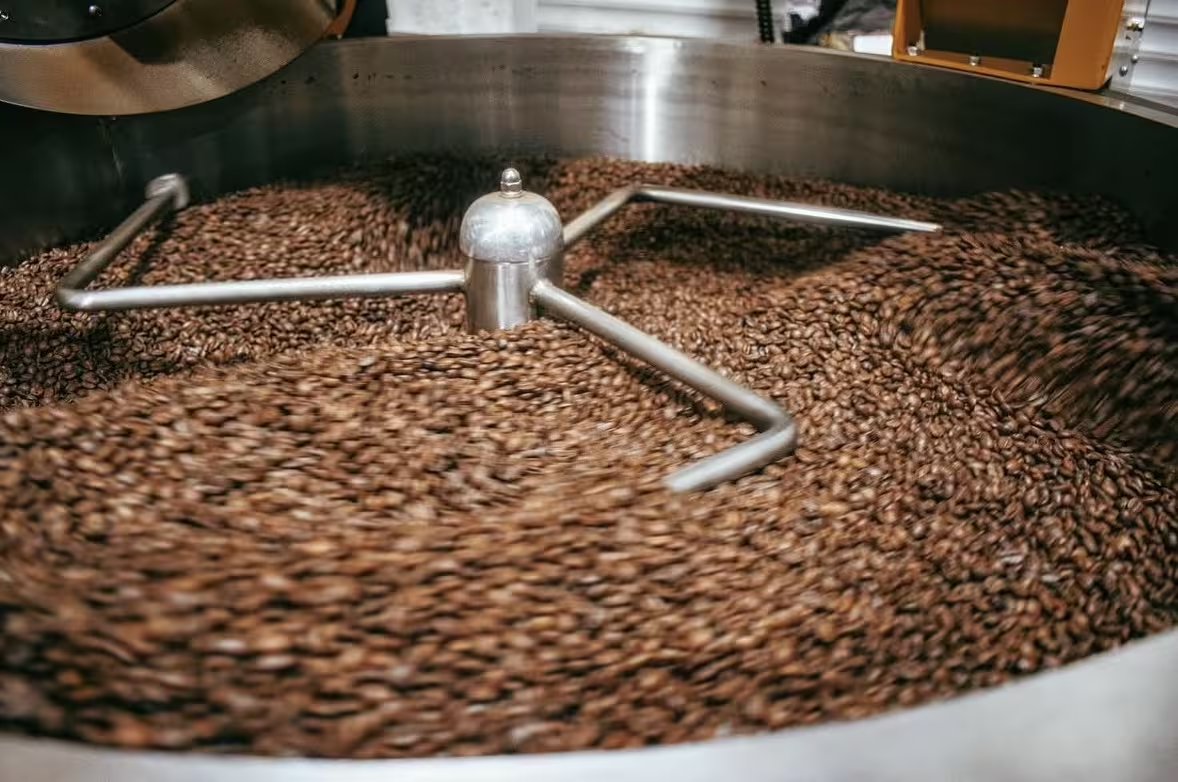
Le premier torréfacteur était un bac métallique concave muni d’une longue poignée intégrée, placé au-dessus d’un foyer de charbon de bois ou d’une flamme creusé dans le sol du désert. Le bâton pour remuer était un outil indispensable, car il était essentiel de maintenir les grains en mouvement pendant le processus de torréfaction, afin d’éviter qu’ils ne restent exposés trop longtemps à la chaleur au même endroit. Vers 1650, le premier torréfacteur « à tambour », équipé d’une manivelle et fabriqué en métal, fit son apparition au Caire. Il devint rapidement un outil courant, et des variantes apparurent peu après dans le sud de l’Europe. Des versions plus récentes ont évolué pour offrir une meilleure agitation et une meilleure répartition de la chaleur, grâce à une chambre de torréfaction de forme sphérique remplaçant le tambour cylindrique. Ces modèles se sont largement répandus en Europe au cours du XVIIIe siècle et on pouvait voir des marchands ambulants de café utiliser des versions mobiles de ces torréfacteurs sphériques. Bien qu’initialement destinée au café, la technologie du torréfacteur à tambour a été adaptée pour permettre la torréfaction de n’importe quel grain ou noix.
Dès sa création, Coffee-Tech Engineering a compris que le secret d’une machine à torréfaction parfaite résidait dans les caractéristiques thermodynamiques de la cuve de torréfaction elle-même. La répartition de la chaleur et la transformation thermique entre la cuve et les grains sont plus importantes que toute autre caractéristique du processus de torréfaction. Des fèves de cacao aux éclats de cacao, en passant par l’orge et d’autres céréales destinées à l’industrie de la bière et des spiritueux, Coffee-Tech Engineering a été sollicitée pour produire des machines spécialisées pour toutes sortes de granulés, sous toutes leurs formes. L’entreprise a construit plus d’une douzaine de versions différentes de ses machines, toutes conçues sur mesure pour des usages spécifiques.
Parmi leur clientèle, on trouve des producteurs à grande échelle proposant des produits réputés, appréciés du grand public et distribués dans le monde entier. Travailler aux côtés d’entreprises aussi importantes et expertes leur a permis d’évaluer les performances dans des laboratoires parfaitement équipés. Cette opportunité, associée à des recherches bien documentées, a grandement contribué au processus de fabrication de Coffee-Tech Engineering. La quête incessante d’un équilibre thermique parfait entre la matière et l’appareil a commencé il y a bien longtemps, dans le désert, avec l’ajout d’un bâtonnet d’agitation dans le tambour de torréfaction. Elle se poursuit aujourd’hui avec l’utilisation de tambours thermodynamiques, et la torréfaction à la perfection des grains bio restera toujours un défi sans fin.
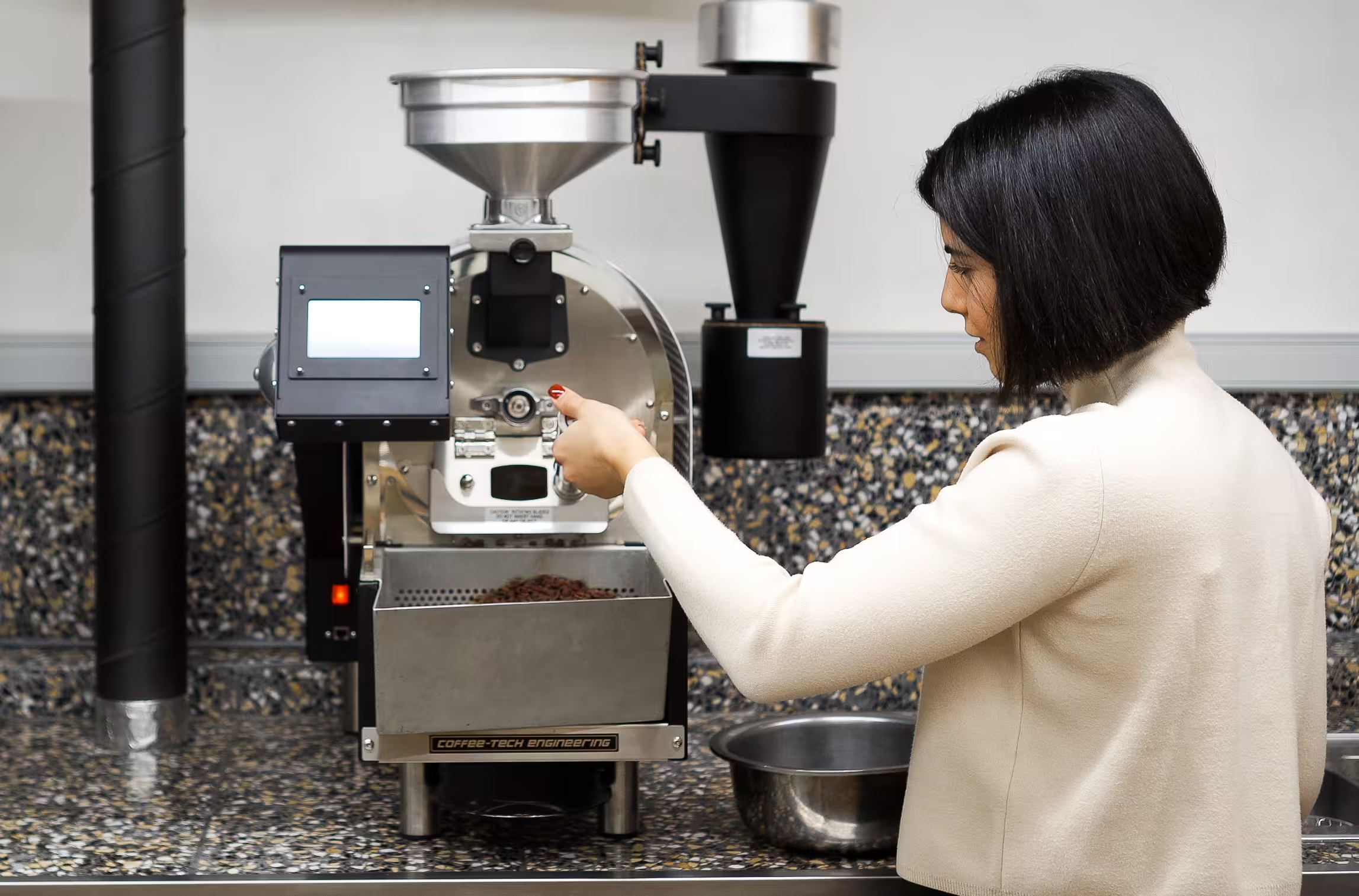
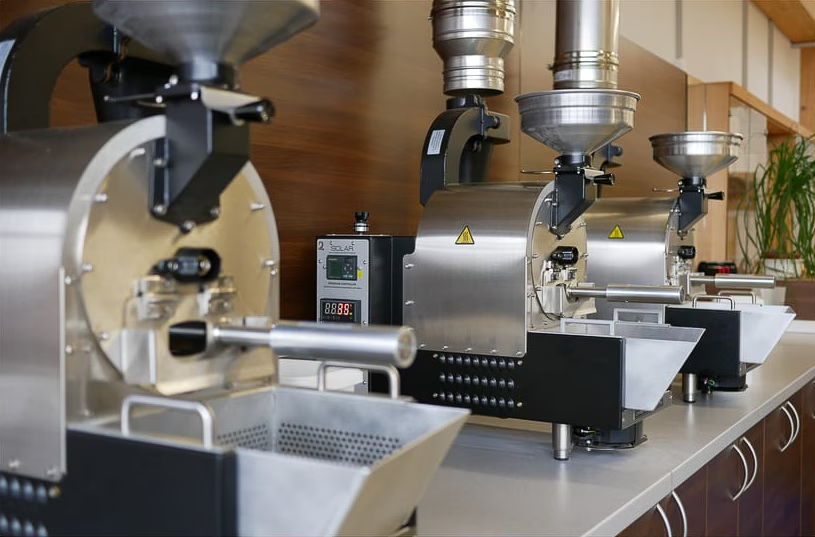
Lorsque Coffee-Tech Engineering a créé le torréfacteur FZ94 Pro-Lab, celui-ci était destiné à servir d’outil de recherche et développement pour l’ensemble de l’industrie agroalimentaire, sans se limiter au café. Le FZ94 a été conçu pour être entièrement personnalisable, avec n’importe quel type de tambour et toutes les fonctionnalités imaginables. Cela en fait le torréfacteur idéal pour les petites quantités, permettant aux chocolatiers artisanaux de torréfier eux-mêmes leur cacao brut au cours du processus de fabrication du chocolat. Tout en conservant les dimensions extérieures et l’esthétique de leur modèle d’origine, ces torréfacteurs à cacao ne sont pas de simples torréfacteurs à café modifiés : ils disposent d’une conception interne entièrement dédiée, spécialement pensée pour les fèves de cacao. C’est exactement ce que l’on peut attendre d’un fabricant qui propose plusieurs options de tambours différentes, exclusivement destinées au café. Toutes leurs caractéristiques modifiées sont dissimulées et intégrées à la machine ; les caractéristiques externes ne peuvent pas améliorer la qualité d’un produit au-delà de sa conception organique d’origine. Tout développement qui a fait ses preuves avec le FZ94 peut également être mis en œuvre dans leur gamme Ghibli de torréfacteurs professionnels.
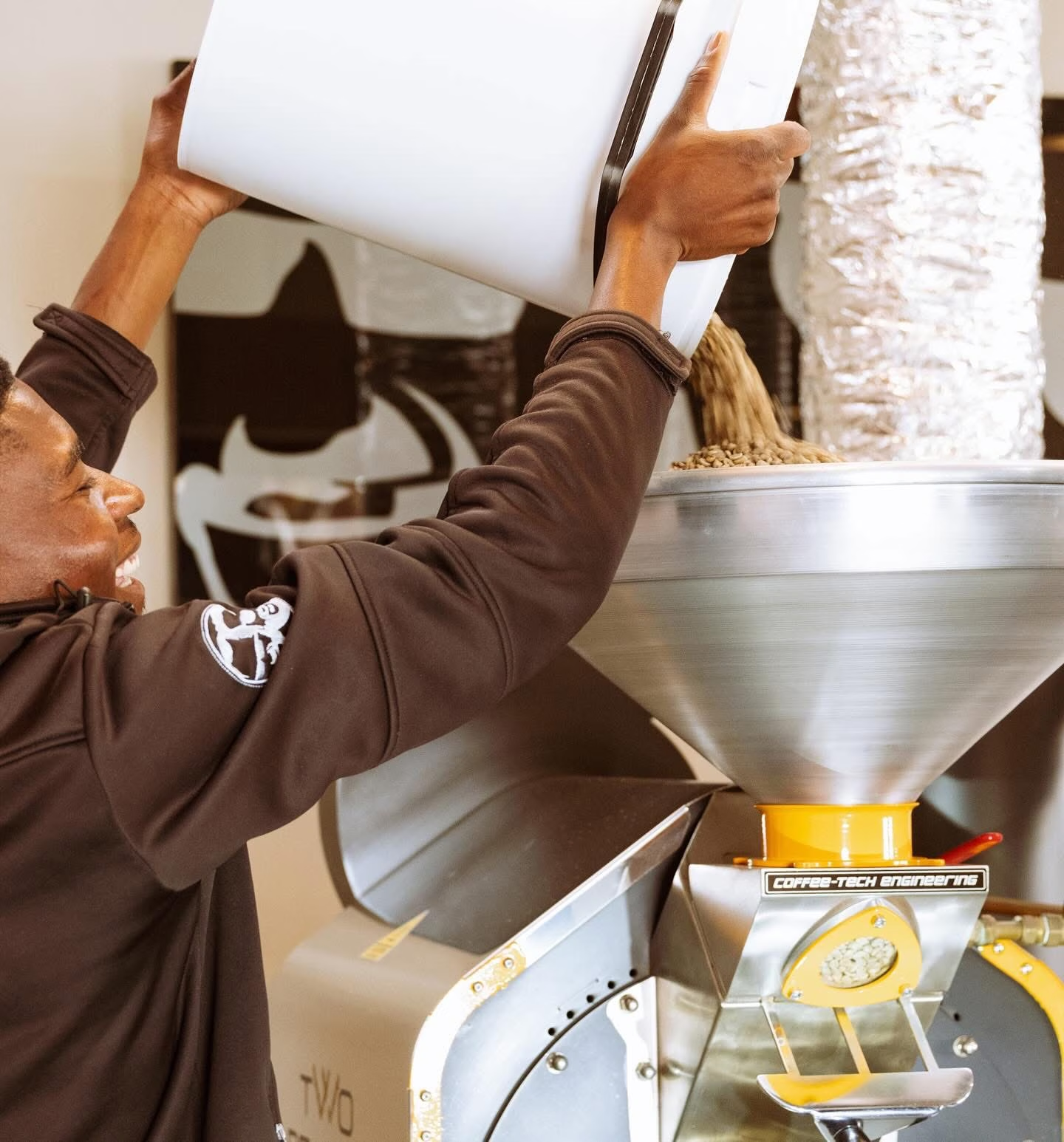
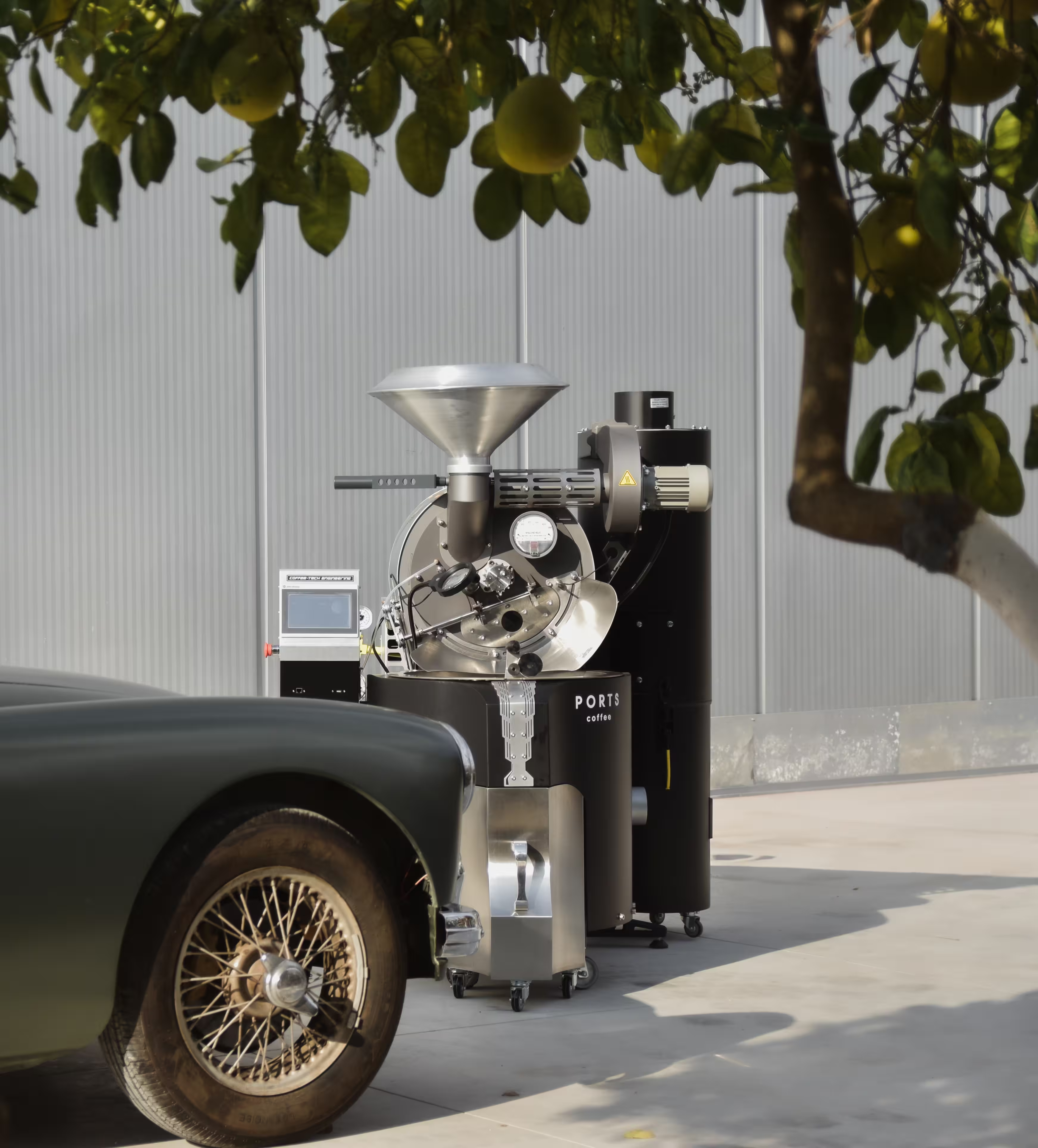
Sur le marché actuel, le café et le cacao sont tous deux torréfiés selon différentes méthodes. Que ce soit au feu de bois, à la flamme de gaz ou à l’aide d’éléments chauffants électriques, le principe reste le même : une rotation et une répartition homogène de la chaleur sur une certaine durée. Plusieurs années après avoir créé son premier torréfacteur à cacao, Coffee-Tech Engineering est toujours très présent au sein de la communauté du cacao et s’est forgé une solide réputation dans la fabrication de machines de torréfaction artisanales et professionnelles de haute qualité. En produisant les modèles FZ94, Silon ZR7 et la gamme complète Ghibli, dotés de modifications techniques issues de recherches approfondies et éprouvées, Coffee-Tech Engineering a permis aux chocolatiers de torréfier le cacao avec la même souplesse, la même précision et la même perfection que notre café tant apprécié.