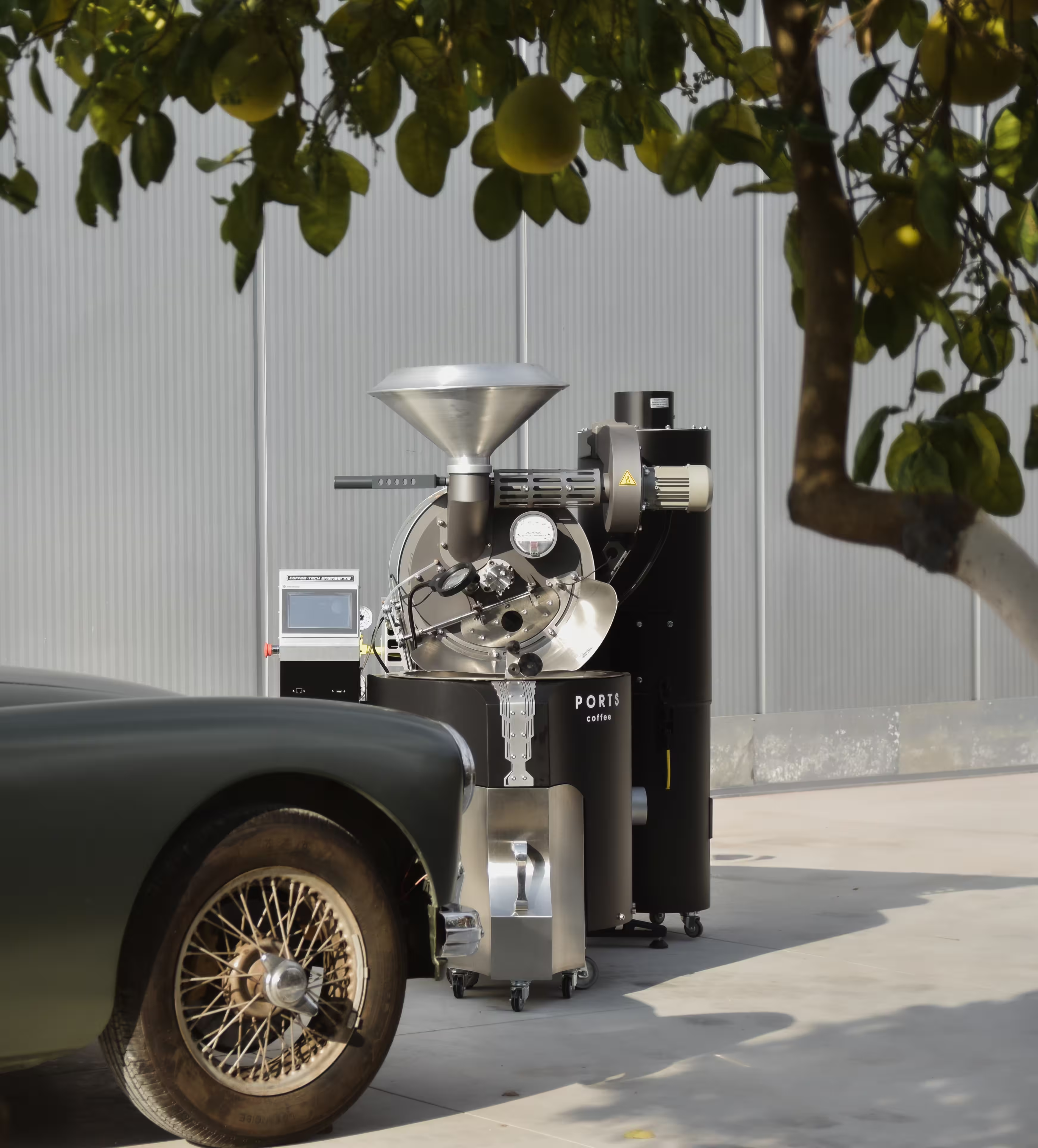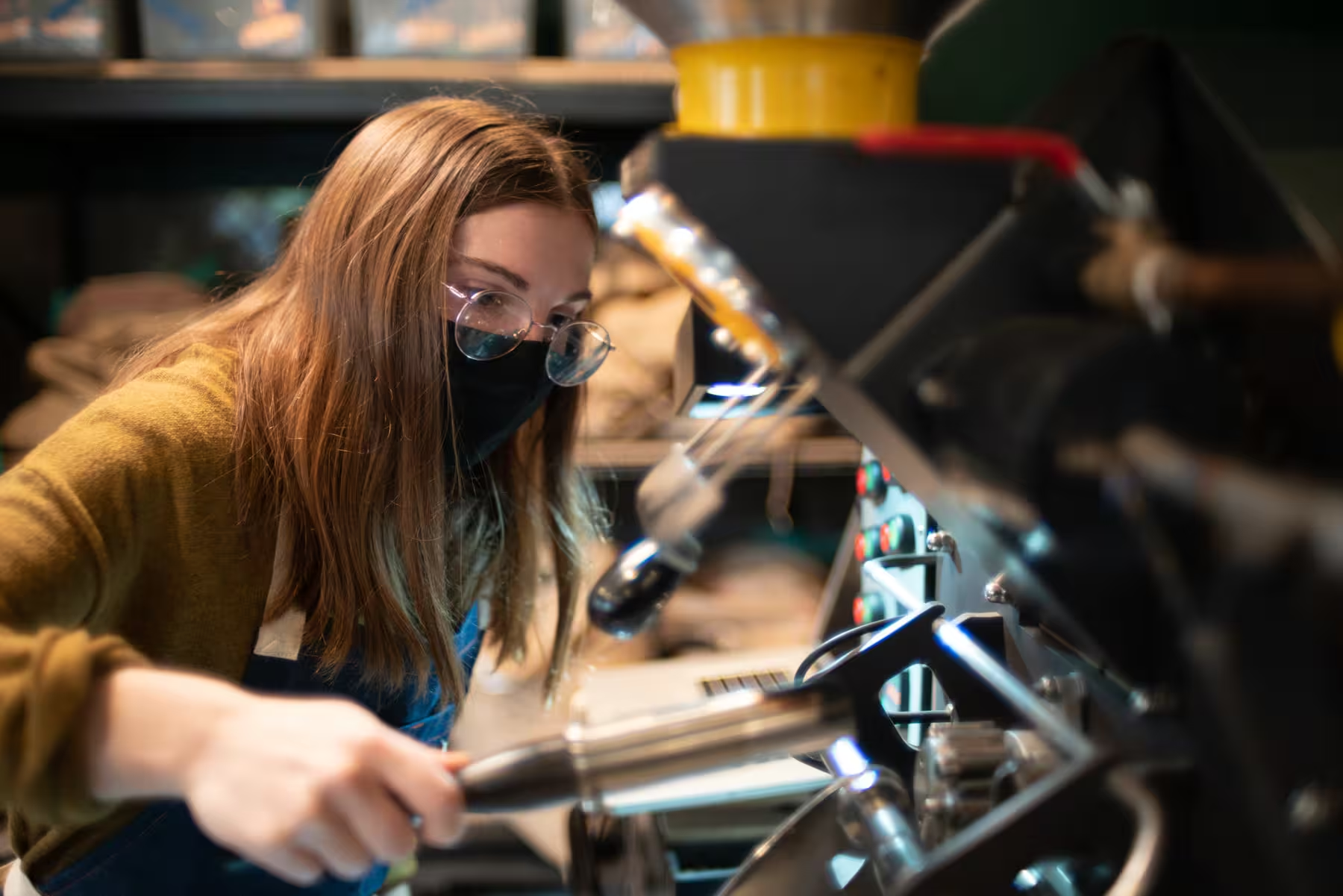
En la industria cafetera moderna actual, la gran mayoría de las tostadoras utilizan tostadores de gas, y así ha sido durante casi 70 años. Aunque la mayoría de las personas que viven hoy en día siempre han disfrutado del café tostado de esta manera, el uso del gas como fuente de combustible es un avance relativamente nuevo en la historia del café. En la década de 1950, las tostadoras estaban dejando atrás los tostadores de leña y otras fuentes de combustible alternativas para aprovechar el combustible gaseoso condensado, recién disponible. Con la introducción de fábricas a gran escala, la cadena de montaje y la infraestructura viaria, llegó también la industrialización del sector del café. El café ya no se tostaría en la tostadora del pueblo, sino que entraría en una fase en la que se tostaría en instalaciones mucho más grandes, con equipos de mayor tamaño y en lotes más voluminosos, para luego distribuirse a grandes distancias y llegar a las estanterías de las tiendas de los territorios intermedios. Los principales motivos de esta transición fueron la comodidad y la accesibilidad, no necesariamente la calidad o el sabor del producto final. Las tostadoras artesanales locales, de menor tamaño, no podían competir con las grandes instalaciones, que contaban con una producción más moderna y con nuevas y amplias capacidades de comercialización.
Un par de generaciones más tarde, hemos asistido al resurgimiento a nivel mundial de las tostadoras artesanales de lotes más reducidos, que ahora priman la calidad por encima de todo lo demás. Dadas las infinitas opciones de que disponen los consumidores de café actuales, junto con el fácil acceso que tienen ahora las pequeñas tostadoras a un mercado en expansión, la demanda de café de máxima calidad y con sabores exclusivos es mayor que nunca. Junto con este resurgimiento de la calidad artesanal en el consumo diario de café, ha surgido la demanda de máquinas de tueste que utilicen fuentes de combustible más tradicionales para ofrecer un sabor más auténtico. Con este cambio de tendencia, estamos viendo cómo los tostadores de leña se convierten en una herramienta muy codiciada por las tostadoras artesanales que desean ofrecer perfiles de sabor que reflejen los antiguos métodos de calentamiento. Cuando se hace correctamente, los sabores y aromas adicionales que aporta la leña crean un perfil de taza distintivo y memorable. Para los tostadores que tienen la paciencia y el tiempo necesarios para perfeccionar su oficio, el café tostado con leña aporta algo que se echa en falta en los tostadores convencionales de gas.
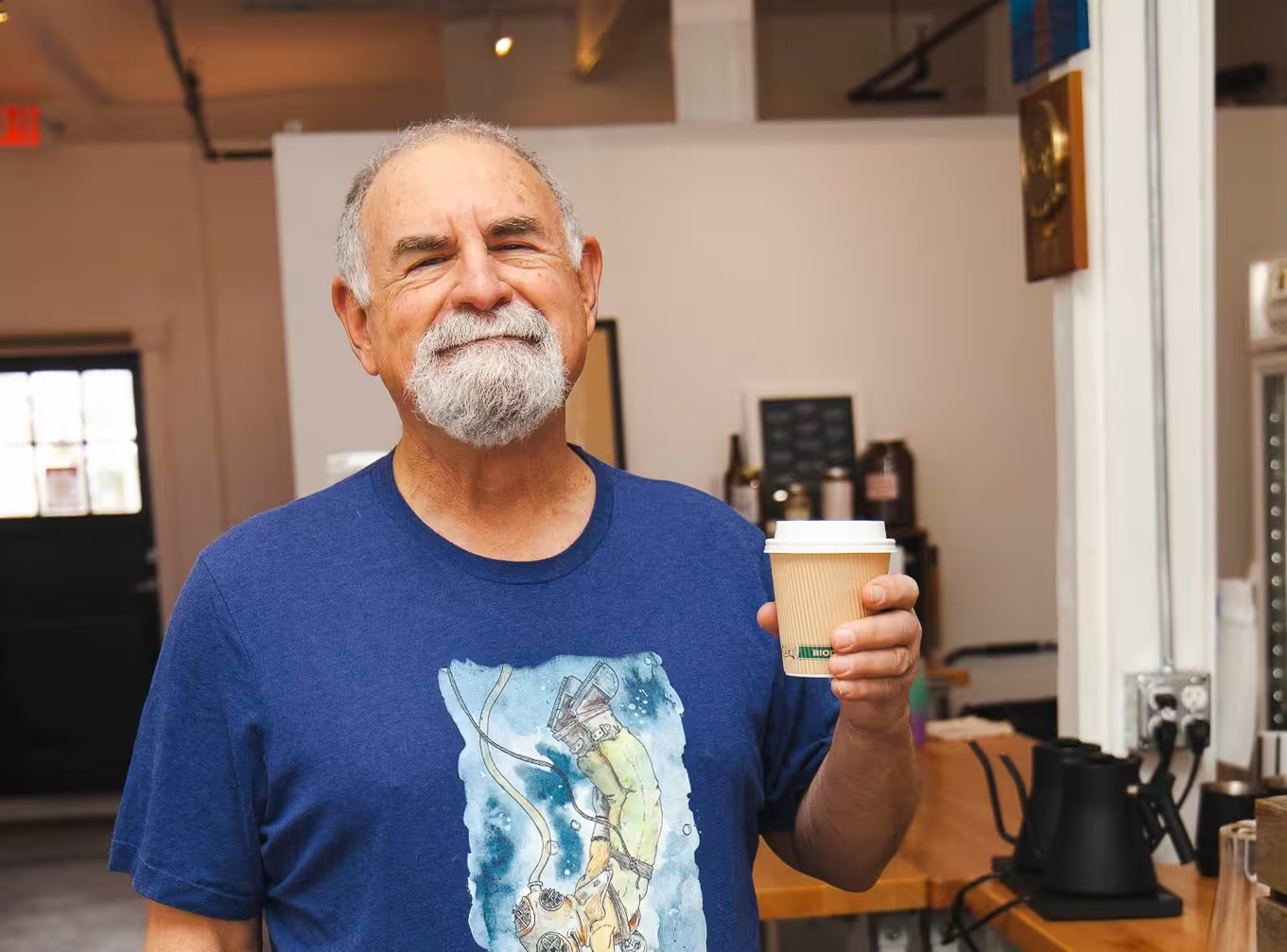
Mighty Oak Roasters, situada en el barrio de Astoria, en Queens (Nueva York), es una pequeña cafetería y tostadora que presta especial atención a los pequeños detalles de su café. Sean Donnelly y Peter Moses fundaron Mighty Oak Roasters en mayo de 2019 y, desde su apertura, han experimentado un crecimiento continuo y han contado con el apoyo de la comunidad local. Situado en una esquina de una zona residencial, el local de Mighty Oak Roasters, de 1.000 pies cuadrados, parece ser el complemento perfecto para este bonito barrio de las afueras de Queens. Gracias al uso de un tostador de café a leña Ghibli R15, Mighty Oak ofrece una taza de café que destaca entre la multitud. Gracias al cuerpo intenso y a la acidez equilibrada de sus cafés artesanales —disponibles con matices de roble, cerezo, fresno y otras maderas duras variadas—, sus clientes pueden disfrutar de una taza de café verdaderamente única y diferente a todo lo que hayan probado antes. Recientemente tuve la oportunidad de hablar con Sean Donnelly, de Mighty Oak Roasters, sobre cómo empezaron, cuál ha sido su experiencia tostando café con leña y qué lecciones han aprendido que podrían ayudar a otros en su búsqueda del desarrollo del café y las opciones de tueste.
P: ¿Cómo te iniciaste en el negocio del café?
R: Empecé tostando café en casa; al principio utilizaba una sartén de hierro fundido sobre una parrilla en el jardín trasero. Con el paso de los años, solía regalar granos a amigos y familiares, y con el tiempo algunos restaurantes locales me pidieron que les vendiera café, así que quedó claro que tenía que ampliar la producción.
P: ¿Cómo describirías tu negocio en UNA sola frase?
R: Mighty Oak tuesta cafés cuidadosamente seleccionados de todo el mundo utilizando madera dura local cosechada de forma sostenible, y para ello emplea el único tostador de café a leña de la región.
P: ¿De qué es de lo que te sientes más orgulloso en tu negocio?
R: Estoy muy orgulloso de lo mucho que nos hemos integrado en la comunidad. Empecé a tostar café en casa porque en nuestro barrio no había ninguna tostadora especializada ni cafetería, así que mi objetivo era crear la tienda que siempre había querido tener cerca.
P: Cuéntanos un poco sobre la ubicación de tu negocio: la ciudad, el ambiente, etc.
R: Estamos en el barrio de Astoria, en el distrito de Queens de Nueva York. Astoria acoge tanto a familias multigeneracionales como a nuevos residentes de la ciudad, ya que está cerca de Manhattan para quienes se desplazan diariamente al trabajo, pero es un barrio más tranquilo con un fuerte espíritu de comunidad.
P: ¿Qué influyó en el nombre de tu cafetería?
R: Buscaba un nombre que hiciera referencia a nuestro proceso de tueste en horno de leña, pero sin depender exclusivamente de él. La inspiración me vino de un roble cercano al lugar donde crecí, que data del siglo XVII, aunque, más concretamente, los seguidores de la serie de televisión de los años 90 «Mystery Science Theater 3000» quizá capten la referencia.
P: ¿Por qué elegiste asar con leña en lugar del quemador de gas, que es más habitual?
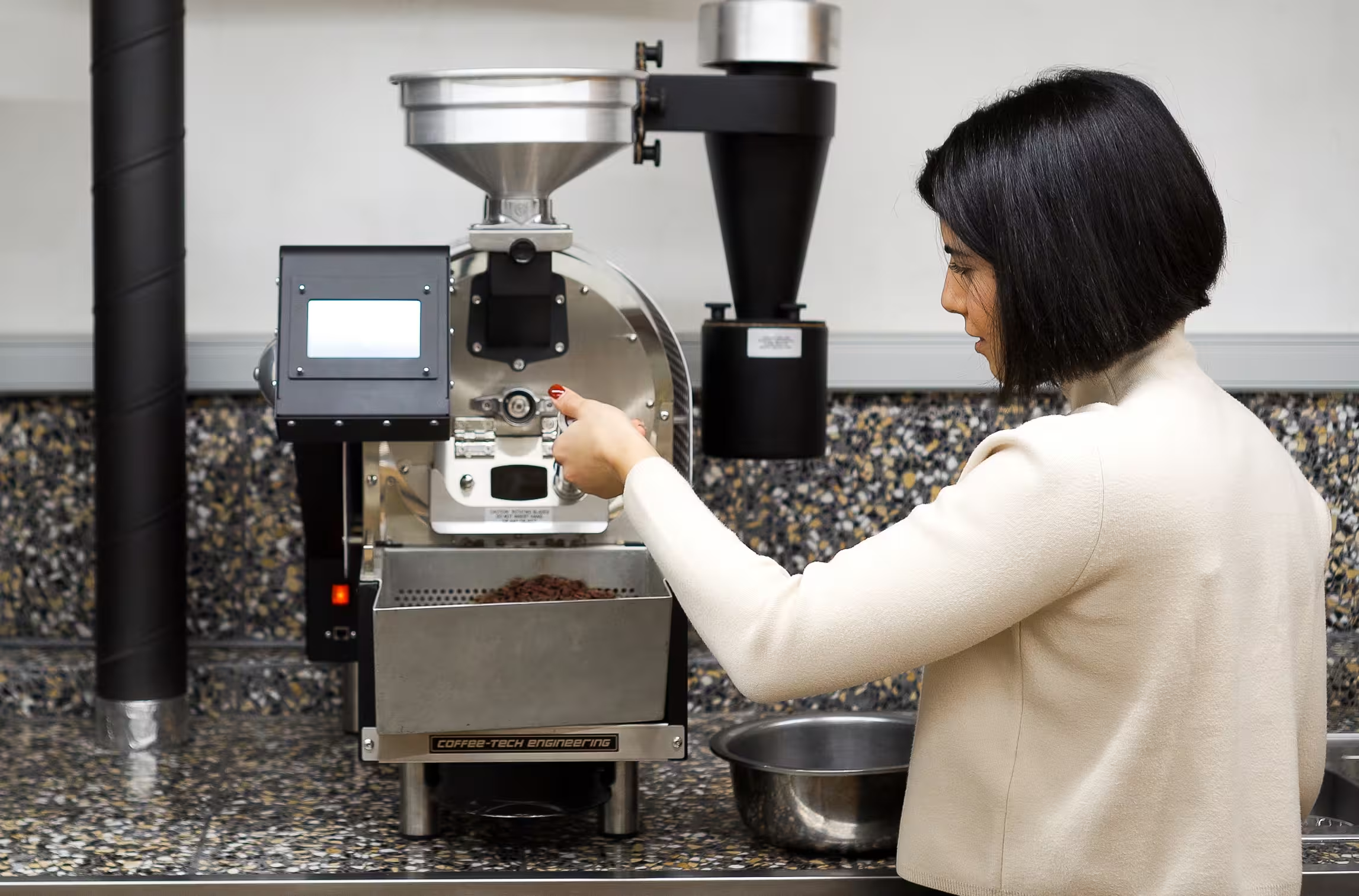
R: Descubrí el asado con leña casi por casualidad. Cuando empecé, asaba al aire libre sobre un fuego de leña o carbón. Después de empezar a utilizar un asador eléctrico con resistencia, noté que le faltaba algo, y mis investigaciones me llevaron al CTE Ghibli, que era el único asador que encontré que ofrecía un alto grado de control al utilizar una fuente de calor de fuego vivo.
P: ¿Cuáles son las principales ventajas e inconvenientes de tostar con leña (si es que hay alguno)?
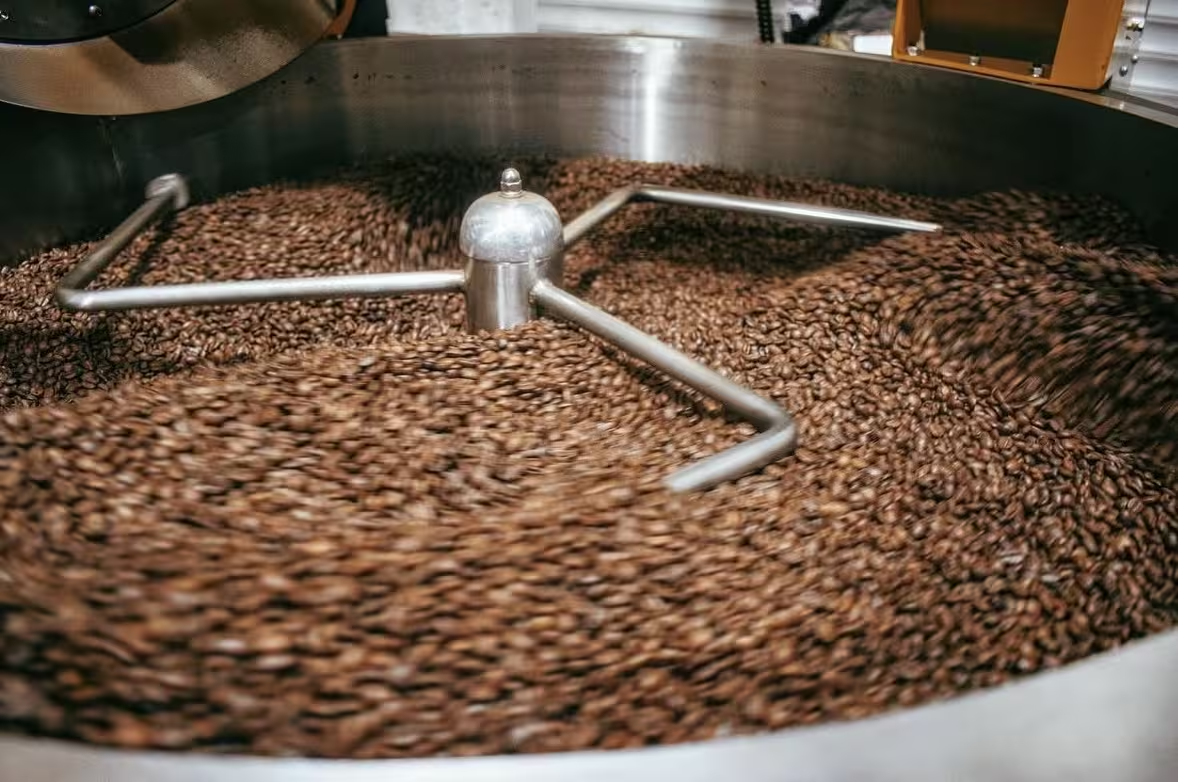
R: El tueste con leña tiene, por naturaleza, un perfil de sabor diferente. En parte debido a la humedad del calor, creo, hemos observado que podemos alargar los tiempos de tueste sin que el café se queme. Esto suele dar como resultado un mayor dulzor y un perfil muy equilibrado, combinado con un ligero toque aromático de la leña. El reto es que hay que controlarlo, lo que requiere bastante práctica, y los ajustes no se pueden realizar tan rápidamente como con un quemador de gas. Si se empieza con muy poco combustible, se puede acabar con un estancamiento o un pico de temperatura a mitad del tueste y, por el contrario, un fuego demasiado grande no se puede rebajar tan fácilmente. También está el reto de conseguir combustible, algo de lo que no hay que preocuparse una vez instalado un quemador de gas. Afortunadamente, en el noreste de EE. UU. disponemos de una gran cantidad de madera dura adecuada, procedente principalmente de los daños causados por las tormentas y de bosques gestionados. Aun así, hay mucho trabajo que hacer a la hora de partir y acondicionar la leña para garantizar que arda correctamente.
P: ¿Recomendarías a otras personas que se iniciaran en el tueste con leña? ¿Es algo fácil para empezar o recomendarías probar esta opción tras haber adquirido un poco de experiencia?
R: Probablemente, el tueste con leña no sea para todo el mundo; si acabas de empezar, puede resultar un poco abrumador aprender los fundamentos del tueste al mismo tiempo que intentas controlar el fuego. Dicho esto, hemos formado a algunos tostadores que solo han tostado en nuestra máquina Ghibli de leña, y les ha ido bastante bien.
P: ¿Cuál es el último descubrimiento o tu última obsesión en el mundo del café? (método de tueste, variedad de café, método de preparación… etc.)
R: Puede que no suene tan emocionante como los últimos experimentos anaeróbicos del micromolino Don Eli(aunque ahora mismo también estamos tostando uno de esos), pero últimamente he probado un par de cafés descafeinados INCREÍBLES. En concreto, ahora mismo tenemos un café lavado de Flor Del Café, en Huehuetenango, en la máquina de espresso, que es increíblemente dulce, limpio y complejo. Es un segmento del mercado que suele estar desatendido, y hemos recibido muy buenos comentarios por ofrecer una opción de descafeinado de calidad.
P: ¿Hay alguna mezcla o café de origen único en la que creas que destaca tu tienda?
R: Estoy muy orgulloso de todos los cafés que seleccionamos, pero no hay duda de que la mezcla «Cold Brew» fue toda una innovación. Lo que mucha gente elogia del «cold brew» —su falta de acidez— es, en mi opinión, la razón por la que nunca me ha gustado del todo. Descubrí que, al utilizar un café procesado en seco (natural), podía recuperar algunas notas frutales y de bayas que se apreciaban en la extracción en frío. Combinar eso con un café lavado de altitud relativamente elevada procedente de América Central da como resultado un perfil único y complejo en lo que, por lo demás, es un método de preparación bastante unidimensional.
P: ¿Podrías dar un ejemplo de un error que cometiste y que habrías cambiado si tuvieras la oportunidad de volver a empezar?
R: Cuando encontramos nuestro local, quizá estábamos demasiado ansiosos por conseguir el sitio que queríamos y subestimamos el trabajo que tendríamos que hacer para abrir. El inquilino anterior era una pizzería abandonada, y acordamos quedarnos con el local tal y como estaba. Esto supuso mucho más trabajo del que pensábamos y retrasó nuestra apertura casi un año.
P: ¿Crees que hay algún reto en el horizonte que vaya a suponer una carga para el sector del café? ¿Cuáles son?
R: Creo que la sostenibilidad medioambiental será un problema antes de lo que pensamos. Un cafeto arábica tarda años en empezar a producir cerezas, y en algunas regiones las condiciones están cambiando más rápido que eso. El cambio de condiciones también permite que las plagas y las enfermedades prosperen a mayor altitud, como hemos visto con el brote de Roja en Centroamérica en los últimos años. Igualmente importante es que, si nosotros, como tostadores y consumidores, no ajustamos nuestros precios para tener en cuenta el coste de producción y apoyar así un modelo sostenible para los productores, el café de especialidad dejará de existir. El café es, en gran medida, un cultivo generacional y, si la próxima generación no ve que puede ganarse la vida de forma sostenible, simplemente dejará de cultivarlo.
P: ¿Me puedes recomendar una buena finca o cooperativa donde comprar café en grano?
R: Año tras año, una de mis favoritas es la estación de lavado Suke Quto, en Guji. Tesfaye Bekele ha realizado una labor extraordinaria para apoyar a su comunidad y a los terrenos que la rodean, al tiempo que cultiva un café realmente excelente que es un placer tostar.
Mighty Oak Roasters está comprometida con prácticas medioambientales éticas en todos los aspectos de su actividad. Obtienen su leña de un arbolista que recoge árboles caídos de forma natural en un radio de 50 millas de su sede y, además, han instalado un sistema comercial de eliminación de humos Avirnaki para garantizar que los subproductos de sus tostados se recojan de forma segura y se eliminen sin dañar el medio ambiente. Sean y Peter también se esfuerzan por abastecerse de café procedente de agricultores que practican un cultivo social y económicamente sostenible, estableciendo colaboraciones con ellos para garantizar que obtienen los mejores productos a precios justos. A su vez, esto proporciona a los agricultores un mayor incentivo y capital para mantener y mejorar las condiciones de cultivo de sus campos, lo que se traduce en cosechas futuras estables o incluso mejores. Mighty Oak Roasters ha logrado introducir con éxito un delicioso café tradicional, tostado a leña, en el mercado actual del café.
Gracias, Sean Donnelly,
, Chris Nance | 23 de febrero de 2023