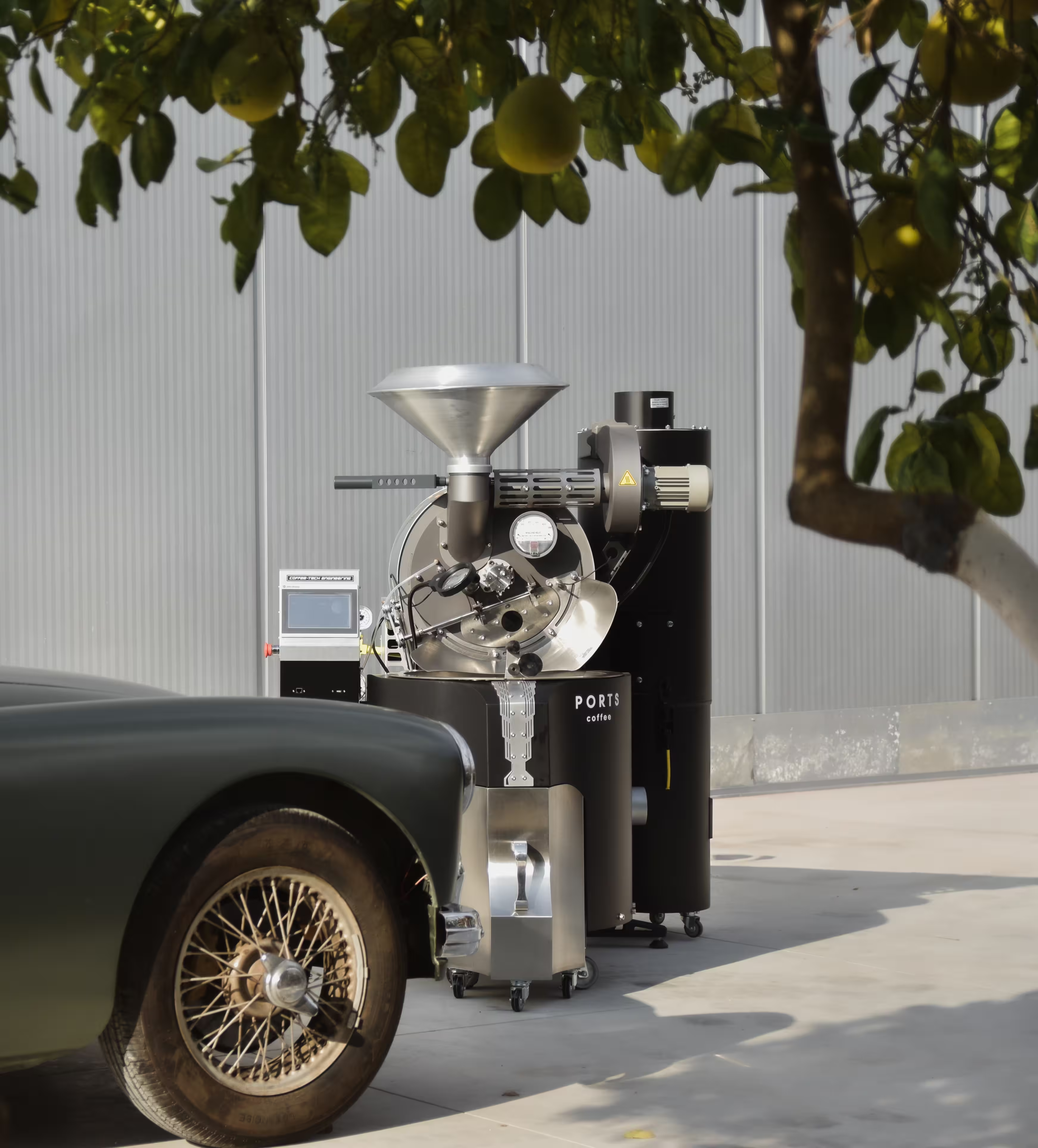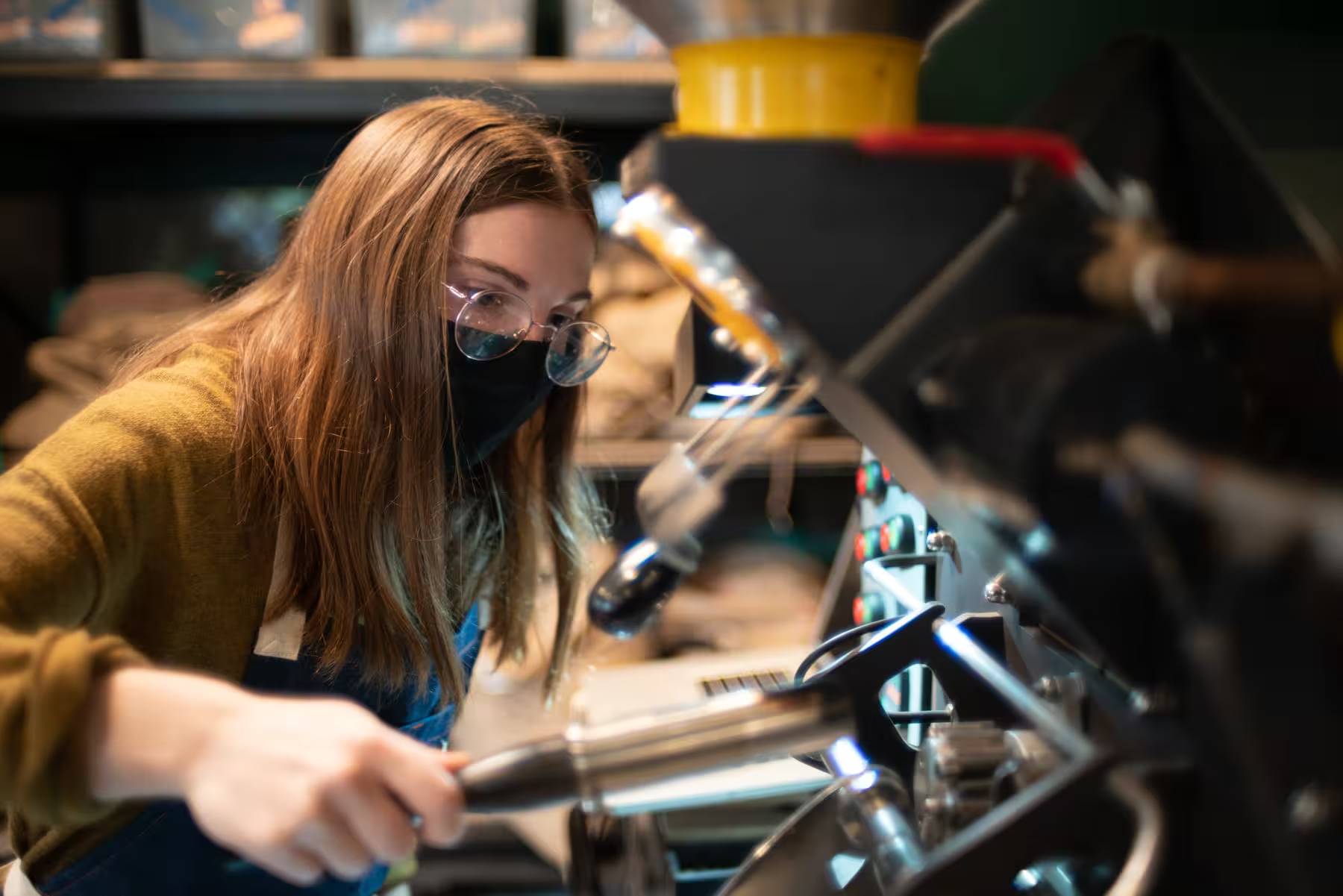
In der heutigen modernen Kaffeeindustrie werden Gasröstmaschinen von der überwiegenden Mehrheit der Röstereien eingesetzt, und das bereits seit fast 70 Jahren. Obwohl die meisten heute lebenden Menschen schon immer auf diese Weise gerösteten Kaffee genossen haben, ist die Verwendung von Gas als Brennstoff eine relativ neue Entwicklung in der Geschichte des Kaffees. In den 1950er Jahren stellten die Röstereien nach und nach von Holzröstern und anderen alternativen Brennstoffen auf den neu verfügbaren kondensierten gasförmigen Brennstoff um. Mit der Einführung von Großfabriken, dem Fließband und der Straßeninfrastruktur ging auch die Industrialisierung des Kaffeegeschäfts einher. Kaffee wurde nun nicht mehr in der örtlichen Rösterei geröstet, sondern trat in eine Phase ein, in der er in viel größeren Anlagen mit größeren Anlagen in größeren Chargen geröstet und dann über weite Entfernungen verteilt wurde, um in den Regalen der Geschäfte in den dazwischenliegenden Gebieten angeboten zu werden. Die Hauptantriebskräfte für diesen Wandel waren Bequemlichkeit und Zugänglichkeit, nicht unbedingt die Qualität oder der Geschmack des Endprodukts. Kleinere, lokale, handwerklich geführte Röstereien konnten nicht mit den größeren Betrieben konkurrieren, die über modernere Produktionsverfahren und neu erschlossene, weitreichende Marktmöglichkeiten verfügten.
Ein paar Generationen später erleben wir weltweit ein Wiederaufleben kleinerer handwerklicher Röstereien, die nun Qualität über alles andere stellen. Angesichts der unendlichen Auswahlmöglichkeiten, die moderne Kaffeetrinker haben, und der Tatsache, dass kleine Röstereien nun einfachen Zugang zum wachsenden Markt haben, ist die Nachfrage nach Kaffee von höchster Qualität und mit Nischenaromen größer denn je. Mit dieser Wiederbelebung handwerklicher Qualität im täglichen Kaffeekonsum ist auch die Nachfrage nach Röstmaschinen gestiegen, die traditionellere Brennstoffe nutzen, um einen traditionelleren Geschmack zu erzielen. Angesichts dieser veränderten Vorlieben werden Holzröster zunehmend zu einem begehrten Werkzeug für handwerkliche Röstereien, die Geschmacksprofile bieten möchten, die an die alten Röstmethoden anknüpfen. Bei richtiger Anwendung sorgen die zusätzlichen Aromen und Geschmacksnoten, die durch die Energiequelle Holz entstehen, für ein unverwechselbares und unvergessliches Geschmackserlebnis. Für Röster, die über die Geduld und Zeit verfügen, ihr Handwerk zu perfektionieren, bietet holzgerösteter Kaffee etwas, das bei herkömmlichen Gasröstern zu kurz kommt.
Mighty Oak Roasters im Stadtteil Astoria in Queens, New York, ist ein kleines Café mit eigener Rösterei, das besonders viel Wert auf die Feinheiten seines Kaffees legt. Sean Donnelly und Peter Moses gründeten Mighty Oak Roasters im Mai 2019 und verzeichnen seit der Eröffnung ein kontinuierliches Wachstum sowie große Unterstützung aus der lokalen Bevölkerung. An einer Straßenecke in einem Wohngebiet gelegen, scheint das 1000 Square foot große Lokal von Mighty Oak Roasters die perfekte Ergänzung zu diesem schönen Viertel am Rande von Queens zu sein. Mit Hilfe eines Ghibli R15 Firewood Coffee Roasters bietet Mighty Oak eine Tasse Kaffee an, die sich von der Masse abhebt. Dank des vollmundigen Körpers und der ausgewogenen Säure ihrer handwerklich gerösteten Kaffeesorten, die mit Noten von Eiche, Kirsche, Esche und verschiedenen anderen Harthölzern erhältlich sind, können ihre Kunden eine Tasse Kaffee genießen, die wirklich einzigartig ist und sich von allem unterscheidet, was sie bisher getrunken haben. Vor kurzem hatte ich die Gelegenheit, mit Sean Donnelly von Mighty Oak Roasters darüber zu sprechen, wie alles begann, welche Erfahrungen sie beim Rösten von Kaffee über Holzfeuer gemacht haben und welche Erkenntnisse sie gewonnen haben, die anderen bei der Weiterentwicklung von Kaffee und Röstmethoden helfen könnten.
F: Wie sind Sie zum Kaffeegeschäft gekommen?
A: Ich habe als Hobby-Kaffeeröster angefangen und ursprünglich eine gusseiserne Pfanne auf einem Grill im Garten verwendet. Im Laufe der Jahre habe ich Freunden und meiner Familie Kaffeebohnen geschenkt, und schließlich fragten einige lokale Restaurants an, ob sie bei mir einkaufen könnten. Da wurde mir klar, dass ich meinen Betrieb ausweiten musste.
F: Wie würden Sie Ihr Unternehmen in EINEM Satz beschreiben?
A: Mighty Oak röstet sorgfältig ausgewählte Kaffeesorten aus aller Welt mit nachhaltig geerntetem lokalem Hartholz – und zwar mit dem einzigen holzbefeuerten Kaffeeröster in der Region.
F: Worauf sind Sie in Ihrem Unternehmen am meisten stolz?
A: Ich bin sehr stolz darauf, wie sehr wir uns in die Gemeinde integriert haben. Ich habe zu Hause mit dem Rösten angefangen, da es in unserer Nachbarschaft weder eine Spezialitätenrösterei noch ein Café gab. Mein Ziel war es daher, genau den Laden aufzubauen, den ich mir schon immer in unserer Nähe gewünscht hatte.
F: Erzählen Sie uns doch ein wenig über den Standort Ihres Unternehmens – die Stadt, das Umfeld usw.
A: Wir befinden uns im Stadtteil Astoria im New Yorker Bezirk Queens. In Astoria leben sowohl Mehrgenerationen-Familien als auch Neuankömmlinge in der Stadt, da der Stadtteil für Pendler in der Nähe von Manhattan liegt, aber dennoch ein ruhigeres Viertel mit einem starken Gemeinschaftsgefühl ist.
F: Was hat den Namen Ihres Cafés beeinflusst?
A: Ich war auf der Suche nach einem Namen, der auf unser Röstverfahren mit Holzfeuer anspielt, sich aber nicht ausschließlich darauf stützt. Die Inspiration kam von einer Eiche in der Nähe meines Heimatortes, die aus dem 17. Jahrhundert stammt, aber insbesondere Fans der Fernsehserie „Mystery Science Theater 3000“ aus den 90er Jahren werden die Anspielung vielleicht erkennen.
F: Warum haben Sie sich für das Rösten mit Holz anstelle des gängigeren Gasbrenners entschieden?
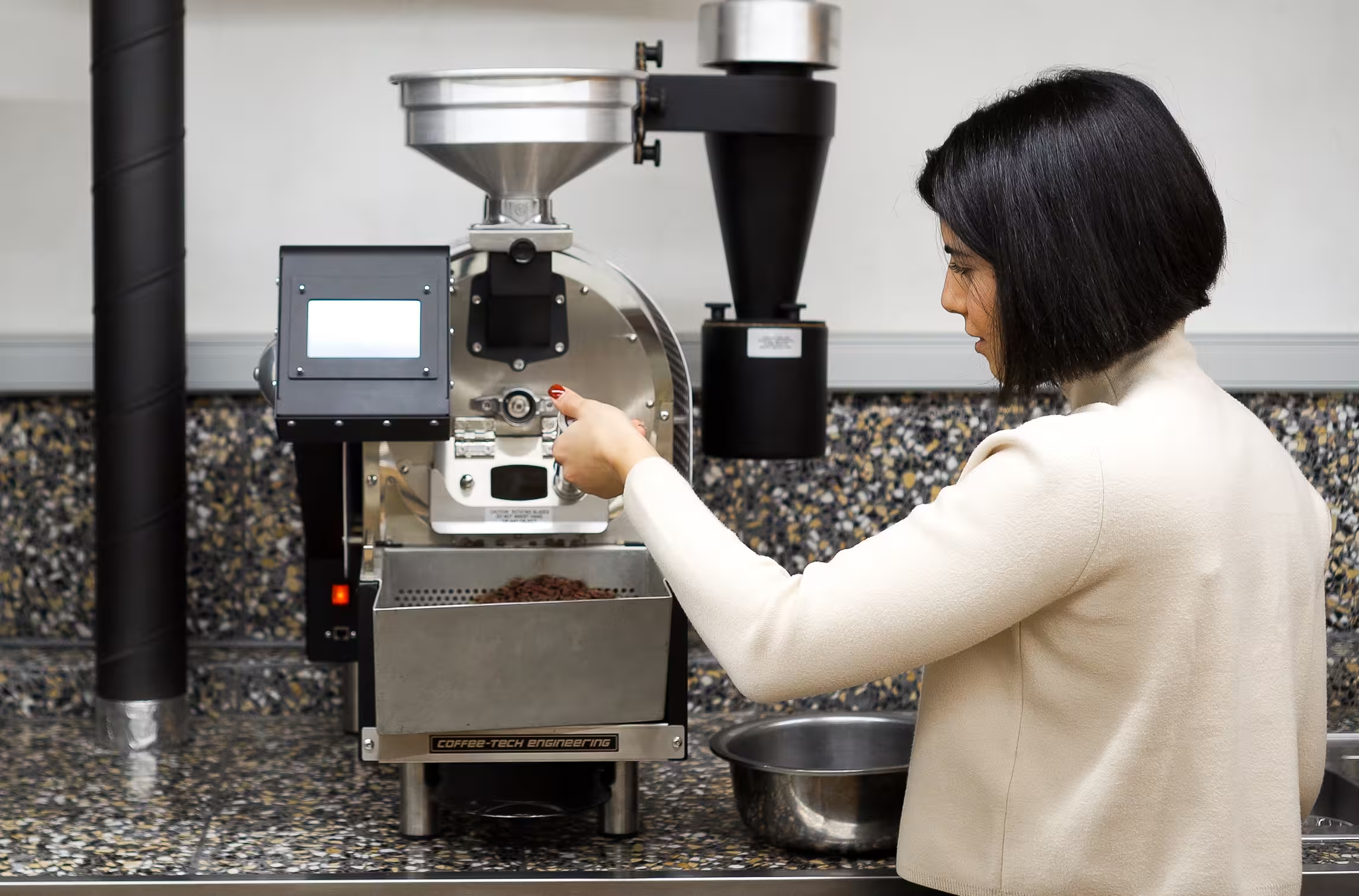
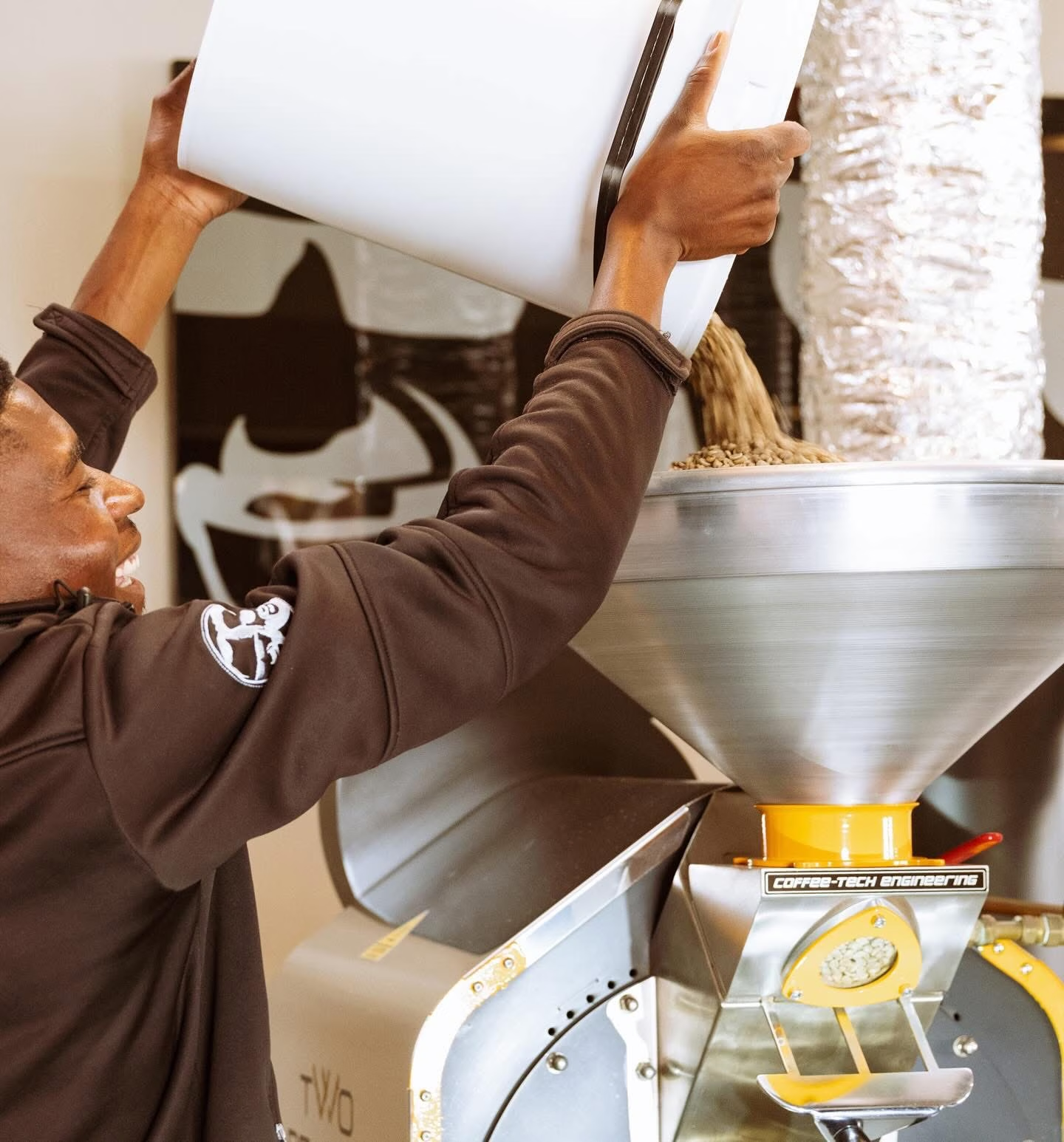
A: Das Rösten mit Holz habe ich eher zufällig entdeckt. Als ich anfing, habe ich draußen über einem Holz- oder Holzkohlefeuer geröstet. Nachdem ich angefangen hatte, einen richtigen Röster mit elektrischem Heizelement zu verwenden, stellte ich fest, dass etwas fehlte, und meine Recherchen führten mich zum CTE Ghibli – dem einzigen Röster, den ich finden konnte, der ein hohes Maß an Kontrolle bei der Verwendung einer offenen Feuerquelle bot.
F: Was sind die wesentlichen Vor- und Nachteile des Röstens mit Holz (sofern es solche überhaupt gibt)?
A: Das Rösten mit Holz führt naturgemäß zu einem anderen Geschmacksprofil. Ich glaube, das liegt zum Teil an der Feuchtigkeit in der Hitze – wir stellen fest, dass wir tatsächlich längere Röstzeiten verwenden können, ohne dass die Bohnen verbrennen. Dies führt in der Regel zu mehr Süße und einem sehr ausgewogenen Profil, kombiniert mit einem Hauch von Holzaromen. Die Herausforderung besteht darin, dass man den Röstvorgang kontrollieren muss, was einiges an Übung erfordert, und dass Änderungen nicht so schnell vorgenommen werden können wie bei einem Gasbrenner. Wenn man mit zu wenig Brennstoff beginnt, kann es mitten im Röstvorgang zu einem Stillstand oder zu einem plötzlichen Anstieg der Temperatur kommen, und umgekehrt lässt sich ein zu großes Feuer nicht einfach herunterdrehen. Hinzu kommt die Herausforderung, Brennstoff zu beschaffen – etwas, worüber man sich nach der Installation eines Gasbrenners keine Gedanken mehr machen muss. Glücklicherweise steht uns im Nordosten der USA eine große Menge an geeignetem Hartholz zur Verfügung, vor allem aus Sturmschäden und bewirtschafteten Wäldern. Dennoch ist viel Arbeit damit verbunden, das Holz zu spalten und vorzubereiten, damit es richtig brennt.
F: Würdest du anderen empfehlen, sich mit dem Rösten über Holz zu beschäftigen? Ist das etwas, womit man leicht anfangen kann, oder würdest du empfehlen, diese Möglichkeit erst nach etwas Erfahrung auszuprobieren?
A: Das Rösten mit Holz ist wahrscheinlich nicht für jeden geeignet. Wenn man gerade erst anfängt, kann es etwas überwältigend sein, die Grundlagen des Röstens zu erlernen und gleichzeitig zu versuchen, das Feuer zu kontrollieren. Allerdings haben wir bereits einige Röster ausgebildet, die ausschließlich auf unserem holzbefeuerten Ghibli geröstet haben, und sie haben sich recht gut geschlagen.
F: Was ist deine neueste Entdeckung bzw. deine aktuelle Leidenschaft in der Welt des Kaffees? (Röstmethode/Kaffeesorte/Zubereitungsart … usw.)
A: Es klingt vielleicht nicht ganz so aufregend wie die neuesten experimentellen Anaerob-Röstungen aus der Don Eli Micromill(obwohl wir gerade auch eine davon rösten), aber ich habe in letzter Zeit ein paar WUNDERBARE entkoffeinierte Kaffees probiert. Insbesondere haben wir derzeit einen gewaschenen Kaffee von Flor Del Café aus Huehuetenango als Espresso im Angebot, der unglaublich süß, rein und komplex ist. Das ist ein Marktsegment, das normalerweise vernachlässigt wird, und wir haben viel positives Feedback dafür erhalten, dass wir eine hochwertige entkoffeinierte Alternative anbieten.
F: Gibt es eine Mischung oder eine Single-Origin-Sorte, bei der Ihr Geschäft Ihrer Meinung nach besonders glänzt?
A: Ich bin sehr stolz auf alle Kaffeesorten, die wir beziehen, aber die Cold-Brew-Mischung war zweifellos eine Innovation. Was viele Menschen am Cold Brew loben – nämlich seine geringe Säure – ist meiner Meinung nach genau der Grund, warum ich ihn nie wirklich gemocht habe. Ich habe festgestellt, dass ich durch die Verwendung eines im Trockenverfahren (Natural-Verfahren) verarbeiteten Kaffees einige Frucht- und Beerenaromen zurückgewinnen konnte, die bei einer Kalt-Extraktion zum Vorschein kommen. In Kombination mit einem gewaschenen Kaffee aus mittlerer Höhenlage ergibt sich so ein einzigartig komplexes Profil bei einer ansonsten eher eindimensionalen Brühmethode.
F: Können Sie ein Beispiel für einen Fehler nennen, den Sie gemacht haben und den Sie geändert hätten, wenn Sie die Chance gehabt hätten, noch einmal von vorne anzufangen?
A: Als wir unsere Räumlichkeiten gefunden hatten, waren wir vielleicht etwas zu eifrig darauf bedacht, genau den Standort zu bekommen, den wir wollten, und haben den Aufwand unterschätzt, der für die Eröffnung nötig sein würde. Der Vormieter war eine stillgelegte Pizzeria, und wir hatten vereinbart, die Räumlichkeiten so zu übernehmen, wie sie waren. Das bedeutete viel mehr Arbeit, als wir gedacht hatten, und verzögerte unsere Eröffnung um fast ein Jahr.
F: Glauben Sie, dass es in naher Zukunft Herausforderungen geben wird, die die Kaffeeindustrie belasten werden? Welche sind das?
A: Ich denke, dass ökologische Nachhaltigkeit früher zum Thema werden wird, als wir denken. Es dauert Jahre, bis ein Arabica-Baum Kirschen trägt, und in manchen Regionen ändern sich die Bedingungen schneller als das. Durch die sich verändernden Bedingungen können sich Schädlinge und Krankheiten auch in höheren Lagen ausbreiten, wie wir es in den letzten Jahren beim Roja-Ausbruch in Mittelamerika gesehen haben. Ebenso wichtig ist: Wenn wir als Röster und Verbraucher unsere Preise nicht anpassen, um die Produktionskosten zu berücksichtigen und so ein nachhaltiges Modell für die Erzeuger zu unterstützen, wird es Spezialitätenkaffee bald nicht mehr geben. Kaffee ist größtenteils eine Kulturpflanze, die von Generation zu Generation weitergegeben wird, und wenn die nächste Generation keine nachhaltige Existenzgrundlage sieht, wird sie einfach aufhören, ihn anzubauen.
F: Können Sie eine gute Farm oder Genossenschaft empfehlen, bei der man Rohkaffee kaufen kann?
A: Jahr für Jahr gehört die Waschstation „Suke Quto“ in Guji zu meinen Favoriten. Tesfaye Bekele hat Enormes geleistet, um seine Gemeinde und die umliegende Landschaft zu unterstützen, und gleichzeitig wirklich hervorragenden Kaffee angebaut, dessen Röstung ein wahres Vergnügen ist.
Mighty Oak Roasters hat sich in jedem Bereich seines Geschäfts zu ethischen und umweltfreundlichen Praktiken verpflichtet. Das Brennholz beziehen sie von einem Baumpfleger, der im Umkreis von 50 Meilen um ihren Standort natürlich umgestürzte Bäume sammelt. Zudem haben sie ein „Commercial Avirnaki“-Rauchabsaugsystem installiert, um sicherzustellen, dass die bei der Röstung entstehenden Nebenprodukte sicher aufgefangen und auf umweltverträgliche Weise entsorgt werden. Sean und Peter bemühen sich zudem, ihren Kaffee von Bauern zu beziehen, die nach sozial und wirtschaftlich nachhaltigen Methoden anbauen, und bauen Partnerschaften mit den Bauern auf, um sicherzustellen, dass sie die besten Erzeugnisse zu fairen Preisen erhalten. Dies wiederum bietet den Bauern einen größeren Anreiz und mehr Kapital, um die Anbaubedingungen ihrer Felder zu erhalten und zu verbessern, was zu gleichbleibenden oder besseren Ernten in der Zukunft führt. Mighty Oak Roasters hat es erfolgreich geschafft, köstlichen, traditionellen, holzgerösteten Kaffee auf dem modernen Kaffeemarkt zu etablieren.
Vielen Dank an Sean Donnelly
, Chris Nance | 23. Februar 2023